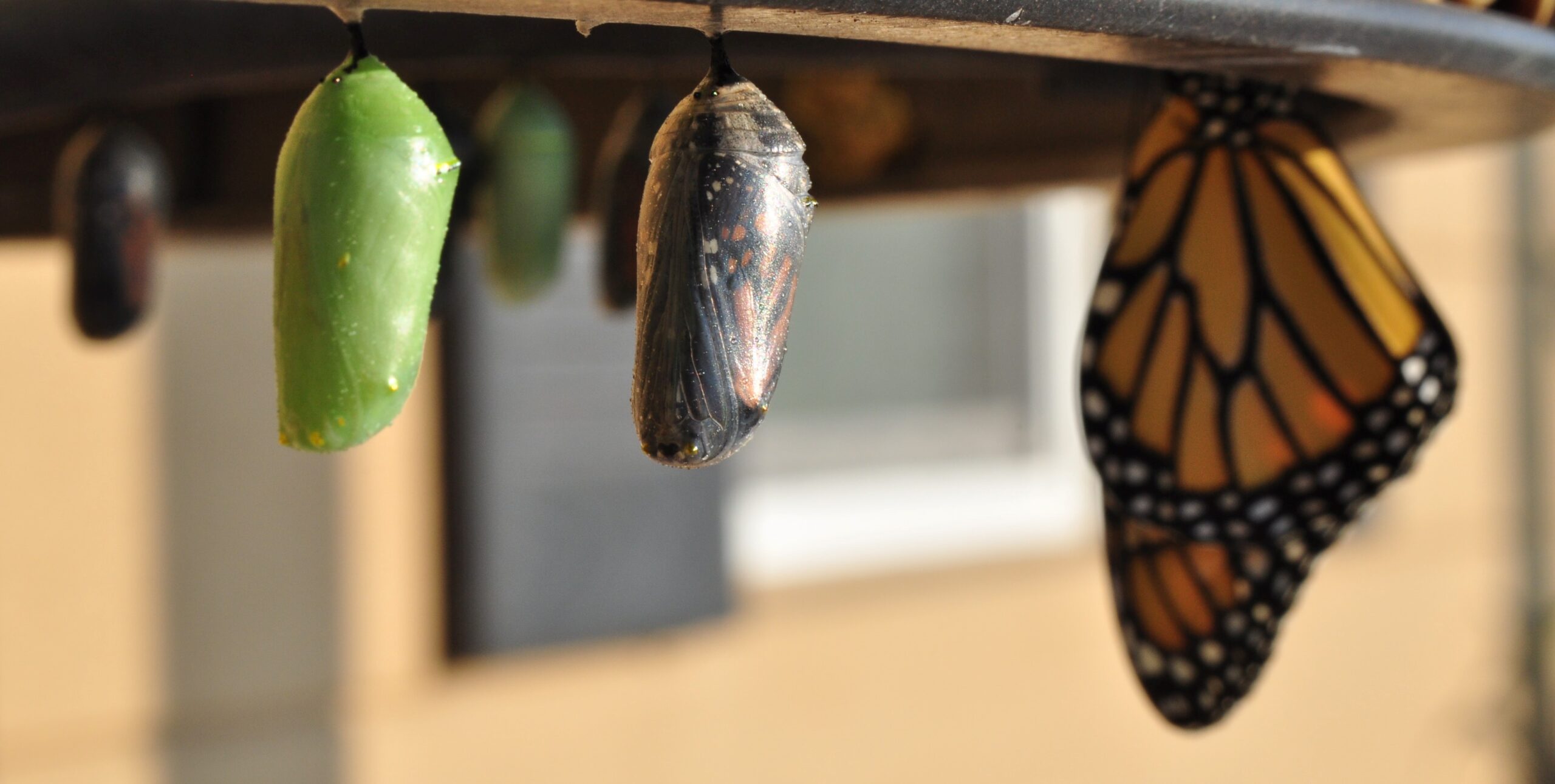
What Can the Butterfly’s Metamorphosis Teach Us About Transformation?
The butterfly/caterpillar’s metamorphosis has always brought a sense of [...]
The butterfly/caterpillar’s metamorphosis has always brought a sense of [...]
Do you believe the world’s culture is desensitized to [...]
What would a snow meditation to find rest and [...]
During the chill of February, there is an invitation [...]
Continuing from the post earlier this month, we are [...]



How are you seeking to find peace and even [...]
What if you were the main character of a story, and you get to define the parts of you, the aspects of you, to highlight? Where would you put the most emphasis? What would you intentionally claim? Today is your opportunity to begin thinking about the next chapter of your story! Your Going-Forward Story! You have the opportunity to reflect upon how the main character, YOU, is portrayed.
Describing the main character includes thinking about the personality characteristics as well as the roles played. Let’s Begin! Start by brainstorming all the parts or aspects of you.
Our “inner parts,” those various internal sub-personalities as defined by Internal Family Systems (IFS) theory, can define us positively and negatively. As we move from being a survivor to a thriver, we can better understand ourselves and nurture those parts we wish to claim. We can loosen the compulsive hold some of our “parts” may have on us to allow other aspects of our personality to emerge…even flourish.
Survivors of trauma and abuse find ways of navigating their situation, often adopting roles and habits that are reinforced by others. Unfortunately, these ways of being can become more deeply ingrained ultimately to the point we don’t even see them and whether they are working for us or not. One common role that is adopted is that of “people pleaser.” Making others happy to the detriment of your health and happiness is a short-term solution that, if not addressed, can leave you depleted not only mentally and emotionally but also physically.
The term “Internal Family Systems” (IFS) is becoming more common and utilized. This approach to healing believes that we are composed of different internal parts or sub-personalities. We may not like parts of ourselves, parts that get in our way, or parts we choose to ignore. Every part of us means well and is a cry within us that aches to be heard and tended. These cries can be fears emerging when something core is threatened. They may be longings wanting to be satisfied. They may be aching wounds that are tender and have pain. They can also be gifts that are stifled and yearn to flourish.
To create internal freedom, we have to access the best of ourselves which means we need to hear the various parts within us. We need to engage each part to hear the deep intention underneath and what it values. We need to embrace the “Self”, our inner life, light, and essence. I like to visualize the Self as the pilot light of our soul that is always there but at times might be dimmed.
When I began my healing journey many years ago, my therapist would talk about all the different “parts” within me. I learned that we must honor each of those parts and make them feel seen and known to heal.
As a childhood survivor of sexual abuse, I had two parts to which I needed to pay particular attention. One of those parts was my “little girl” who had been so deeply wounded by someone she trusted. The other was my “protector” part because the adults around me were too lost in their own trauma to come to my aid.